
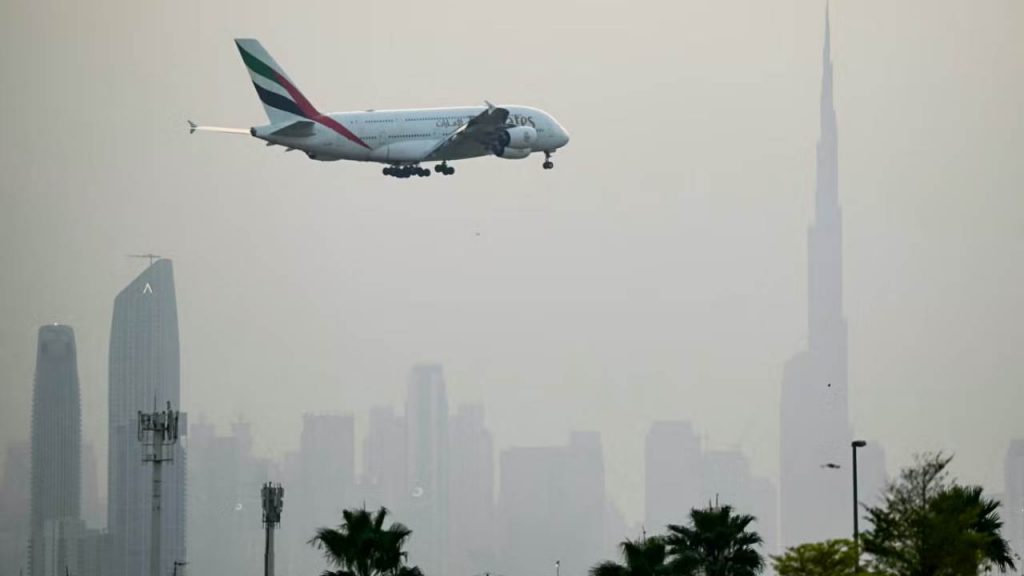
The United Arab Emirates (UAE) continues to be one of the world’s most important aviation hubs, connecting East and West through its strategic air corridors. Any changes to its airspace status naturally attract global attention from travellers, airlines, and logistics operators alike.
Recent updates around the UAE reopening airspace have brought renewed confidence to the aviation sector, reinforcing the country’s reputation for stability, efficiency, and world-class infrastructure. With air traffic gradually returning to normal patterns, airlines and passengers are once again benefiting from the UAE’s highly coordinated and resilient aviation system.
The UAE sits at a critical crossroads for international flight routes. Dubai and Abu Dhabi airports serve as major transit hubs, connecting millions of passengers annually across Europe, Asia, Africa, and the Americas.
Because of this, even temporary airspace restrictions or adjustments can have a ripple effect on global travel schedules, cargo operations, and airline routing strategies. The UAE’s ability to quickly adapt and restore full operations plays a key role in minimising disruption across international networks.
Following recent operational adjustments in the region, UAE aviation authorities have confirmed a return to normal air traffic flow, with commercial and cargo flights resuming standard routing.
Key highlights include:
This reopening reflects the UAE’s ongoing commitment to maintaining safe, secure, and highly managed airspace operations. Authorities continue to work closely with global aviation partners to ensure that recovery remains steady and fully aligned with international safety standards.
For passengers, the reopening of UAE airspace brings several positive outcomes, particularly for those using the country as a key transit point.
Airlines are quickly returning to regular timetables, reducing delays and last-minute rerouting. This is especially important for long-haul travellers connecting through Dubai and Abu Dhabi.
Transit passengers can once again benefit from seamless connections, with shorter layover disruptions and more reliable onward travel options across global destinations.
Restored airspace stability reassures both tourists and business travellers planning trips to or through the UAE, supporting continued growth in inbound tourism and corporate travel.
With operations stabilising, airports are also able to optimise ground services, baggage handling, and boarding processes, helping maintain the UAE’s reputation for efficiency and luxury travel experiences.
The UAE is not only a passenger hub but also a global logistics powerhouse. With airspace operations stabilising:
This stability is particularly important for industries that rely on just-in-time delivery systems across Europe, Asia, and Africa. As air corridors normalise, logistics companies are regaining confidence in scheduling and capacity planning through UAE hubs.
Even during periods of regional uncertainty, the UAE has consistently demonstrated strong aviation resilience. This is supported by:
In addition, continuous investment in airport infrastructure and technology ensures that Dubai and Abu Dhabi remain among the most efficient and future-ready aviation hubs in the world.
With airspace conditions now stabilised, the outlook for UAE aviation remains strong. Airlines are expected to continue expanding routes, increasing frequency, and restoring full operational efficiency across the region.
Tourism demand is also likely to benefit, particularly as seasonal travel and major events in the UAE continue to attract international visitors. Meanwhile, cargo and freight operators are expected to further strengthen their presence, leveraging the UAE’s strategic location and world-class logistics infrastructure.
For travellers and businesses alike, this marks a return to normality and improved global connectivity through one of the world’s most important travel gateways.
The reopening and stabilisation of UAE airspace highlights the resilience of the country’s aviation sector and its vital role in global travel networks. As operations return to full capacity, passengers can expect smoother journeys, better connectivity, and continued reliability from UAE-based airports.
With its strategic location, advanced infrastructure, and coordinated aviation management, the UAE continues to reinforce its position as a trusted global hub – capable of adapting quickly while maintaining the highest standards of safety and efficiency.